

REPORT
Attract to Extract
How Nonprofit and Public Institutions Target Students Online for Profit
Online higher education has expanded dramatically over the last two decades — but where is the money going? Marketed as a flexible and accessible pathway to degrees, online programs now enroll millions of students across the country. But as this sector grows, important questions remain about how these programs operate, who they serve, and how tuition dollars are being spent.
PPSL’s new report examines the business model behind online higher education at public and nonprofit institutions. Using federal data, nonprofit tax filings, and institutional case studies, the investigation finds that schools offering online programs often devote a larger share of resources to marketing and recruitment than to student instruction.
The report also highlights key warning signs — patterns that echo the playbook used during past waves of predatory higher education — and outlines what policymakers, higher ed institutions, and students should watch for as the sector continues to expand.
Key Findings
-
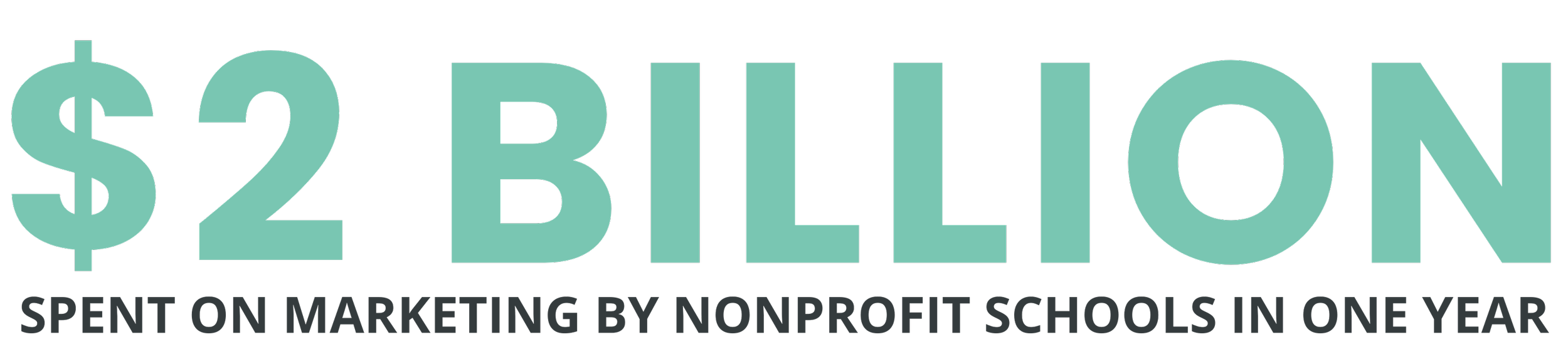
Institutions offering fully online programs spend less per student on instruction than schools without online programs, while nonprofit schools reported more than $2 billion in marketing and promotion spending in a single year.
-
Many schools rely on marketing firms, enrollment contractors, and digital advertising platforms like Google and Facebook to recruit students for online programs.
-
Students of color are disproportionately enrolled in online programs, particularly at the graduate level, suggesting that marketing practices and targeting may shape who is recruited into these programs.
-
Case studies of Purdue University Global, UMass Global, and University of Maryland Global Campus show how institutions are scaling online enrollment through extensive marketing and recruitment infrastructure.

Why It Matters
Online education will remain a central part of the higher education landscape. But without greater transparency, stronger oversight, and better data about online students and outcomes, the rapid expansion of these programs risks repeating patterns long associated with predatory higher education.
History shows that when profit incentives grow and oversight falls behind, aggressive recruitment, inflated promises, and high student debt can follow. Recognizing these warning signs early is critical. With stronger accountability and better information about how online programs operate, we can ensure that innovation in higher education expands real opportunity for students — not financial risk.
The report recommends stronger oversight of online higher education, including:
Greater transparency around student outcomes and institutional spending on marketing versus instruction;
Increased scrutiny of online programs by accreditors and regulators; and
Enforcement action against deceptive recruiting and predatory digital targeting practices.
Read the full report here.
Interested in diving into the data? You can access the full data sets here.
You can also read more about the OPM industry here.

“The data makes it very clear that too many of the new online programs are using the old predatory for-profit college playbook.
When oversight weakens and billions of dollars are flowing through the student loan system, aggressive recruitment and enrollment become the mission — not education.”
Eileen Connor, PPSL President & Executive Director
